Platform Systems | Mission Systems | Tactical Data Links
Delkia Defence Systems
Delkia delivers trusted defence systems integration across air, maritime and land domains, specialising in C4ISR, mission systems, tactical data links (TDL), combat systems, and platform and propulsion engineering. Built for mission success, engineered to protect lives and critical assets, trusted by defence clients to deliver assured C4ISR, platform and mission systems that make capability reliable, repeatable and ready for action.
At Delkia, our purpose is simple. to protect lives and critical assets. We engineer the systems that power, control and connect modern defence platforms, from propulsion and power management to tactical data links and secure C4ISR integration.
Our teams blend safety-related discipline with mission-critical innovation, ensuring every system performs when it matters most, in the air, at sea and on the ground.
“Let’s talk about your next mission-critical system engineered to protect lives and critical assets.”
Clare Wilson, MD - Delkia Defence Systems

Contact us
info@delkia.co.uk
01946 812288
Delkia Head Office
Delkia Nexus Centre
Unit 3, Marlborough Way
Haydock
WA11 9FT
Delkia - Cumbria
Sutton House,
Dovenby Hall
Cockermouth
CA13 0PN
Platform Systems
-
![Grey battleship tied up along quay.]()
Platform / Vessel Management Systems (PMS / VMS) – Maritime
We design, integrate and deliver Platform and Vessel Management Systems (PMS/VMS) that provide unified monitoring, control and decision support across complex naval, subsea and air platforms. Our systems consolidate propulsion interfaces, electrical power, auxiliaries and utility services into a coherent, operator-centric architecture that improves situational awareness, availability and safety.
As a trusted Tier-2 Integrator for UK and allied naval surface and sub-surface programmes we simplify interface ownership, accelerate schedules and reduce technical and programme risk.
Our PMS/VMS solutions include real-time data acquisition, alarm and event management, condition monitoring, trending and historian functions, and intuitive HMI design optimised for operational and maintenance use. Architectures are engineered for resilience, cyber security and through-life support, with clear segregation between platform, safety-related and mission interfaces where required.
Delivery spans full DDQ (Design, Develop and Qualification), from requirements capture and hazard analysis through detailed design, integration, FAT/SAT and in-service support. Systems are developed in alignment with NATO STANAGs, UK Def Stan, IEC 61131/61499, IEC 60945, and applicable DNV and ABS naval rules, with safety and assurance expectations aligned to HSE principles where relevant.
The result is a robust, scalable PMS/VMS suitable for new-build platforms, mid-life upgrades and export programmes across allied fleets.
-
![Grey British Navy sub against a cloudy blue sky as it sinks (or is rising) above/below sea level.]()
Electrical Power Distribution & Control Systems – Maritime
We design, deliver and integrate electrical power distribution and control systems for complex naval, sub-surface and air platforms, supporting both new-build programmes and mid-life upgrades. Our solutions cover LV and MV distribution architectures, power management, protection, monitoring and control, ensuring resilient and safe delivery of power to mission-critical and platform systems.
We deliver discrete delegated complex power architecture work packages, maintaining compliance with naval authority and class requirements whilst reducing programme risk.
Our work includes power management systems (PMS), load shedding, generator and shore power interfaces, protection coordination, fault monitoring and system health reporting. Electrical systems are engineered to operate in harsh defence and maritime environments, with architectures designed for redundancy, survivability and maintainability across the platform lifecycle.
We provide full DDQ (Design, Develop and Qualification), from requirements capture and electrical studies through detailed design, panel build, integration, FAT/SAT and in-service support. Engineering is aligned to recognised standards including NATO STANAGs, UK Def Stan, IEC 60092, IEC 61439, IEC 60947, and applicable DNV and ABS naval rules, with safety and assurance practices aligned to HSE principles where relevant.
This standards-led approach enables safe, compliant and scalable electrical power systems suitable for surface vessels, submarines and advanced air platforms operating across UK and allied fleets.
-
![AI image showing a yet engine, with some of its parts transparent (the AI bit) and a technician standing by it .]()
Major Relay, Protection & Control Panels – Maritime
We design, manufacture and integrate major relay, protection and control panels for safety-critical and mission-essential applications across naval, sub-surface and air platforms. Our panels form the backbone of platform protection, interlocking and control functions, delivering dependable operation in harsh defence and maritime environments.
Solutions include protection and control panels for electrical distribution, machinery protection, interlocking, emergency shutdown, and safety-allocated functions where required by hazard and safety analysis. Designs prioritise fail-safe behaviour, redundancy, segregation and maintainability, with clear interfaces to platform management, power management and mission systems.
We deliver full DDQ (Design, Develop and Qualification), covering requirements capture, safety and reliability analysis, detailed electrical and mechanical design, panel build, wiring, test and qualification. Factory and site acceptance testing are conducted to assure performance, compliance and integration readiness.
Engineering is aligned to recognised standards including NATO STANAGs, UK Def Stan, IEC 60255, IEC 61439, IEC 60947, and relevant DNV and ABS naval rules, with safety and assurance practices aligned to HSE principles where applicable.
The result is robust, compliant control infrastructure that protects critical assets, supports platform safety objectives and enables reliable through-life operation across complex defence platforms.
-
![Grey battleship against a grey sky and sea.]()
Ballast, Trim & Fluid Management Systems – Maritime
We design, integrate and qualify ballast, trim and fluid management control systems for surface vessels and submarines, where stability, survivability and platform safety are critical. Our systems provide reliable monitoring and control of ballast tanks, fuel, fresh water and other essential fluids, supporting safe operation across all operating conditions.
Solutions include automated and manual control of pumps, valves and tank levels, with safeguards such as interlocks, permissives, alarms and degraded-mode operation. Where required, safety-related functions are allocated based on hazard and safety analysis to prevent loss of stability, uncontrolled flooding or unsafe operating states. Systems are engineered for resilience, redundancy and clear operator awareness through intuitive HMI and alarm management.
We deliver full DDQ (Design, Develop and Qualification), from requirements capture and system architecture through detailed design, integration, FAT/SAT and in-service support. Engineering delivery aligns with NATO STANAGs, UK Def Stan, IEC 60092, IEC 61131, and applicable DNV and ABS naval rules, with safety and assurance practices aligned to HSE principles where relevant.
The result is robust, class-compliant ballast and fluid management systems that protect platform integrity and support safe, effective naval operations throughout the vessel lifecycle.
-
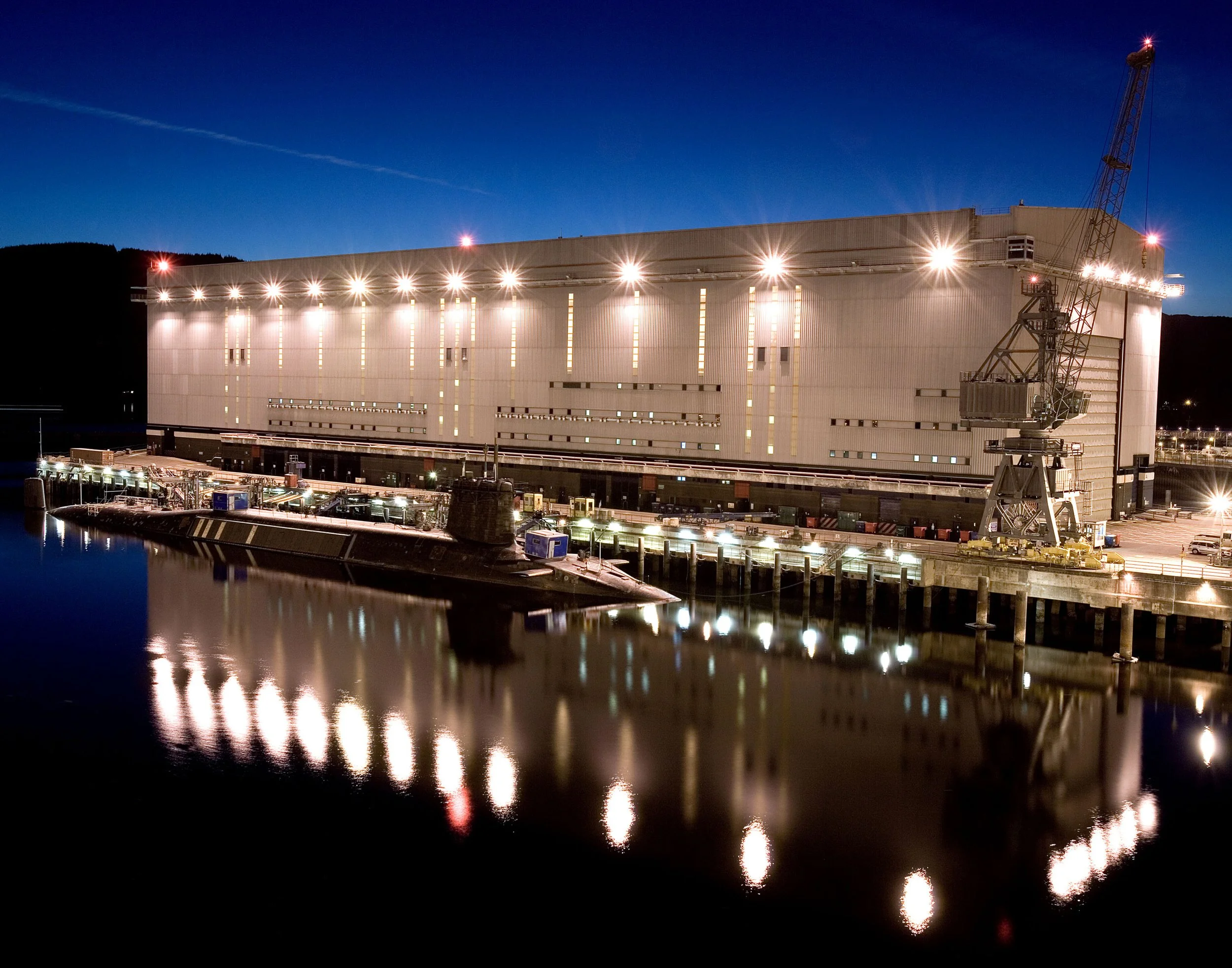
![Submarine largely underwater in basin, at night, lit by lights from ship hall next to it..]()
Auxiliary & Utility Control Systems – Maritime
We design and integrate auxiliary and utility control systems that support the safe, reliable and efficient operation of complex naval, sub-surface and air platforms. These systems manage essential platform services including HVAC and ventilation, cooling water, fuel transfer, hydraulics and other supporting utilities that underpin availability and crew operability.
Our solutions focus on robust control, monitoring and alarm management, with architectures engineered for resilience, redundancy and maintainability. Where hazard and safety analysis identifies a direct impact on personnel safety or critical asset protection, safety-related control functions are allocated and implemented with appropriate integrity and fail-safe behaviour. Clear segregation is maintained between platform support, safety-related and mission interfaces.
We deliver full DDQ (Design, Develop and Qualification), covering requirements capture, system architecture, detailed design, integration, FAT/SAT and in-service support. Engineering delivery aligns with recognised standards including NATO STANAGs, UK Def Stan, IEC 61131, IEC 60092, IEC 60945, and applicable DNV and ABS naval rules, with safety and assurance practices aligned to HSE principles where relevant.
The result is dependable auxiliary and utility control systems that enhance platform availability, support safety objectives and integrate seamlessly within wider platform and vessel management architectures.
-
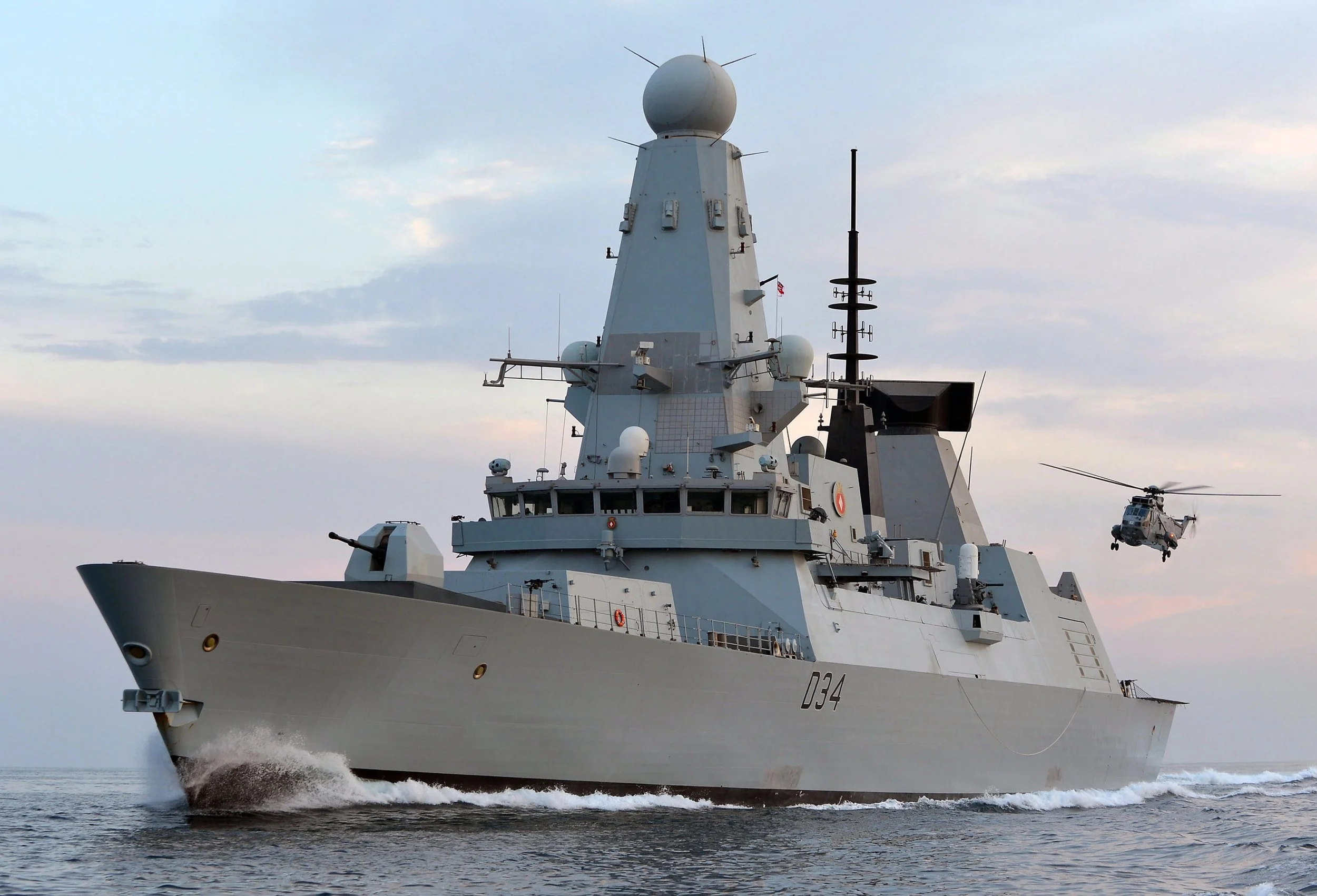
![Grey warship at sea, HMS Diamond]()
Platform Systems – Air (Safety-Related & Supporting Systems)
We design and integrate air platform systems that support aircraft safety, availability and regulatory compliance on complex defence platforms, including maritime patrol and ISR aircraft such as P-8-class programmes. Our focus is on platform-level, safety-related and supporting systems, rather than core flight-critical avionics.
We deliver safety-allocated systems and functions identified through MAA aligned safety cases and SOIs (Statements of Intent) agreed with primes, OEMs and airworthiness authorities. Enabling low-risk delivery of safety-related aircraft systems without encroaching on certified flight-critical avionics.
This includes electrical power distribution to safety-critical equipment, protection and control panels, platform monitoring, auxiliary and environmental control functions, and ground and maintenance support systems. Architectures are designed for resilience, segregation and fail-safe behaviour where required.
We provide full DDQ (Design, Develop and Qualification), aligned to ARP4754A, UK Def Stan, IEC standards, and MAA expectations, with applicable elements of DO-178C / DO-254 applied where safety allocation demands. Safety and assurance practices align to HSE principles for ground and maintenance environments.
This approach allows us to credibly support UK and allied air programmes with low-risk, standards-compliant platform systems that protect lives, aircraft and critical assets.
-
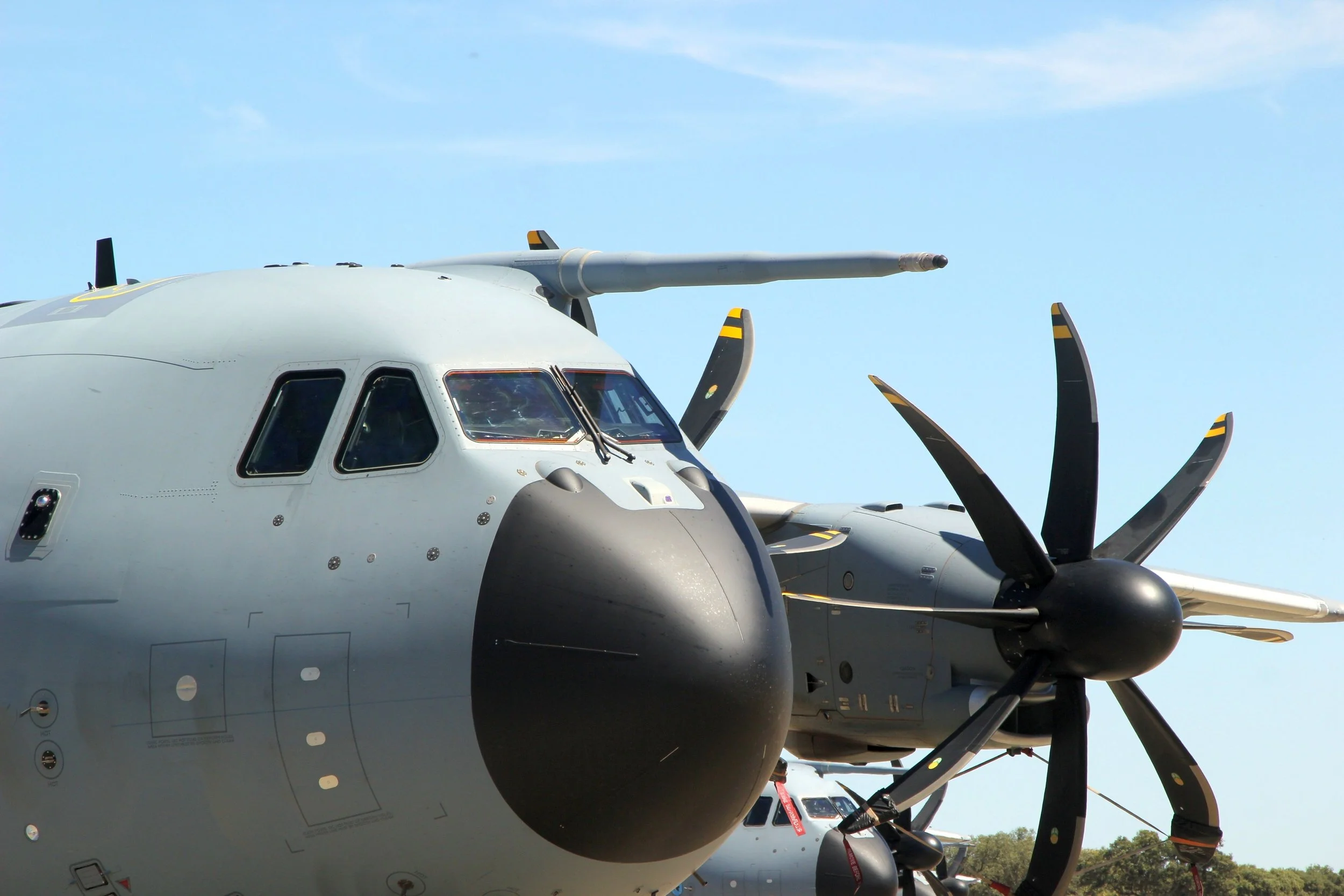
![Close up of the front of a plane, with propellor/wing detail]()
Platform Systems Integration – Air (Crewed & Uncrewed)
We provide platform systems integration for air platforms, supporting both crewed and uncrewed aircraft across defence and security programmes. Our experience spans fixed-wing, rotary and uncrewed air systems (UAS), including next-generation autonomous and optionally crewed platforms delivered under programmes such as Bumblebee. This approach is optimised for defence primes seeking rapid capability insertion and spiral development within UK CAA and MAA airworthiness frameworks.
We act as a platform-level integrator, bringing together electrical power, auxiliary and safety-related systems, platform monitoring, and ground and maintenance interfaces into a coherent and assured architecture. Integration is delivered with clear control of interfaces, segregation of safety-allocated functions, and alignment with prime-owned avionics and mission systems. This enables rapid capability insertion and technology refresh without disrupting certified flight-critical elements.
We deliver full DDQ (Design, Develop and Qualification) aligned to ARP4754A, UK Def Stan, IEC standards, and Military Aviation Authority (MAA) expectations, with applicable elements of DO-178C / DO-254 applied where required. Our teams actively contribute to ADS working groups and maintain informed insight into UK CAA and military airworthiness frameworks, supporting pragmatic, compliant delivery.
This integration capability enables scalable, low-risk platform solutions for UK and allied air programmes across both crewed and uncrewed domains.

Mission Systems
-
![Grey warship at sea, HMS Diamond]()
Tactical Data Links and Battlespace Connectivity
We provide end-to-end TDL solutions that enable secure, real-time information exchange across air, maritime, land and joint domains, supporting network-enabled operations and coalition interoperability. This capability is underpinned by over 37 years’ experience delivering mission systems into the defence sector, underpinned by specialist TDL expertise and IP.
Our delivery spans turnkey TDL capability, including system design, integration, gateways, network management, time synchronisation and operational support. We specialise in Link 16, Link 22 and JREAP-enabled architectures, ensuring resilient beyond-line-of-sight connectivity and seamless integration with C2 and mission systems. Interoperability is engineered by design, aligned to MoD digital strategy, open architectures and coalition operating models.
We provide full DDQ (Design, Develop and Qualification) alongside bespoke TDL training modules tailored for operators, maintainers and integrators, accelerating adoption and reducing through-life risk. Engineering delivery aligns to NATO STANAGs, UK Def Stan, IEC standards and applicable information assurance requirements.
Our TDL solutions have supported complex defence programmes and major NATO and coalition exercises, delivering assured connectivity where operational credibility matters most.
-
![Two soldiers in green using laptop and mobile phone]()
Mission System Integration and Interoperability
We provide mission system integration and interoperability services that enable complex defence platforms and networks to operate as a coherent, multi-domain capability. Our focus is on integrating mission systems across air, maritime, land and joint environments, ensuring data, services and effects can be shared reliably between platforms, operators and coalition partners.
We act as an integration authority at mission level, managing interfaces, data models and system boundaries across sensors, effectors, C2 systems and Tactical Data Links. Delivery is aligned to MoD digital and open-systems strategy, including PRISM, MOSA and app-based integration approaches, enabling rapid capability insertion, spiral development and future upgrade without vendor lock-in. Interoperability is engineered from the outset, supporting joint and coalition operations by design rather than retrofit.
We deliver full DDQ (Design, Develop and Qualification), from requirements capture and architecture definition through integration, verification and operational acceptance. Engineering is aligned to NATO STANAGs, UK Def Stan, IEC standards and applicable information assurance frameworks, with a strong emphasis on coalition compliance and system assurance.
The result is de-risked mission integration that allows OEMs and authorities to connect complex systems faster, with confidence in interoperability, resilience and through-life adaptability.
Our interoperability credentials extend beyond defence platforms, including delivery of mission-critical data integration services for national and international organisations such as the MET Office and EUMETNET, where assured data exchange, resilience and interoperability are paramount.
-
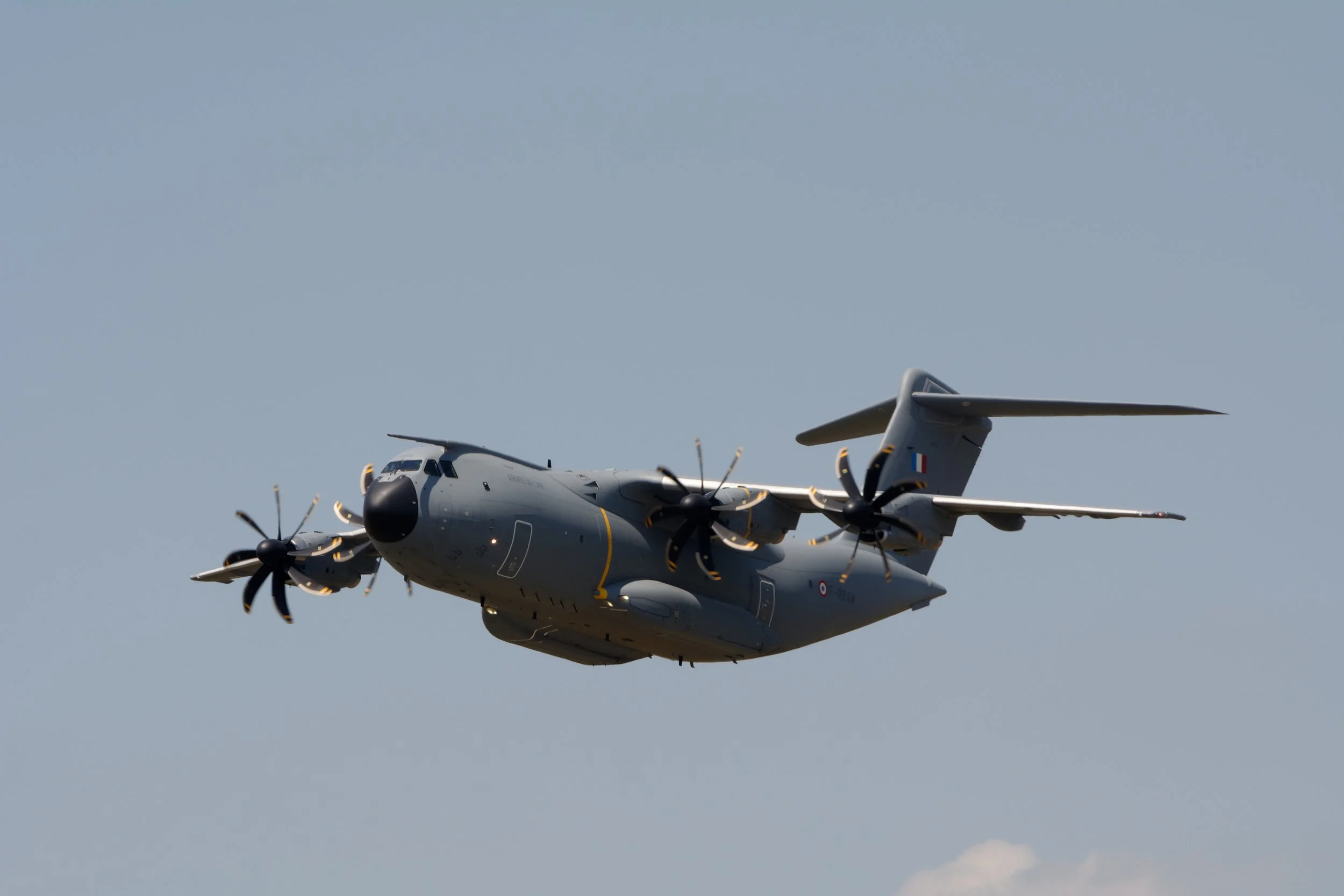
![Grey military plane flying]()
Avionics and Mission Computing Support
We provide avionics and mission computing support to defence programmes, acting as a trusted integrator and engineering partner for certified flight-critical systems. Our role focuses on enabling, integrating and sustaining mission avionics within complex air and joint platform environments.
Our support spans mission computers, displays, communications and navigation interfaces, data buses, and mission software hosting environments. We work at system and sub-system level to support integration, upgrade, obsolescence management and capability insertion, ensuring mission avionics interface correctly with platform systems, Tactical Data Links and wider mission architectures. Clear boundaries are maintained between platform, mission and flight-critical domains, aligned to programme safety and airworthiness expectations.
We deliver full DDQ (Design, Develop and Qualification) aligned to ARP4754A, UK Def Stan, IEC standards, and UK CAA and Military Aviation Authority (MAA) requirements, with applicable elements of DO-178C / DO-254 applied where integration or safety allocation demands.
This disciplined approach enables primes and authorities to modernise and sustain mission avionics with reduced integration risk, assured airworthiness compliance and confidence in through-life performance.
-
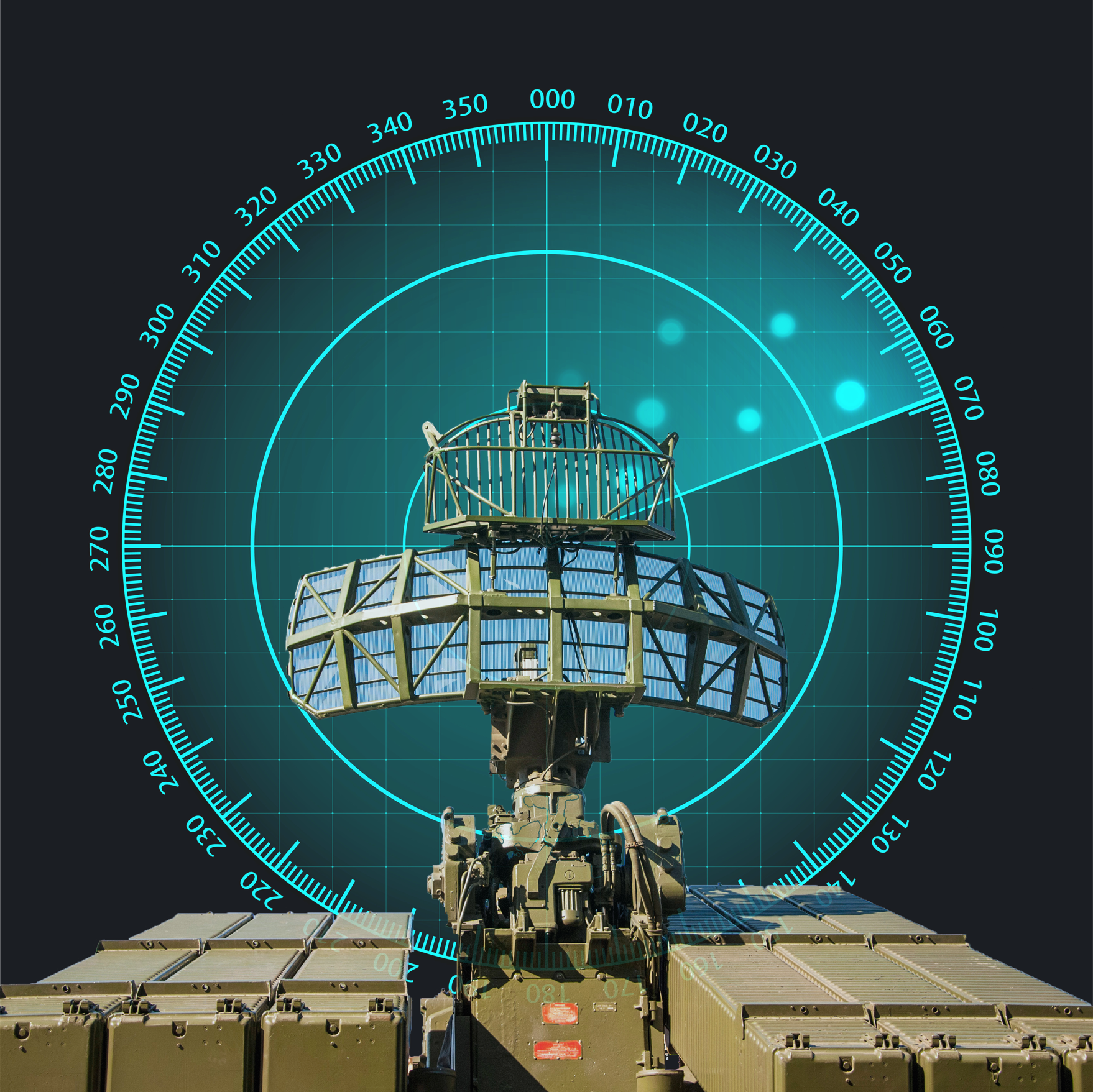
![idealised blue and teal artwork of radar]()
C2, ISR & Information Advantage Systems
We design and integrate Command, Control (C2), ISR and information advantage systems that enable timely, informed decision-making across complex defence operations. Our focus is on connecting sensors, platforms, mission systems and operators into coherent, multi-domain architectures that deliver actionable insight in real time.
Our capability includes the fusion of mission data from multiple sources, combining ISR feeds, platform data, Tactical Data Links and external services into a common operational picture. Data is handled using protected and assured communication protocols, with architectures designed to support real-time and near-real-time delivery, resilience and coalition interoperability. Solutions are aligned to MoD digital strategy, PRISM, and app-based integration approaches, enabling rapid capability insertion and evolution.
We deliver full DDQ (Design, Develop and Qualification), from requirements capture and architecture definition through integration, verification and operational acceptance. Engineering delivery aligns to NATO STANAGs, UK Def Stan, IEC standards and applicable information assurance frameworks, with priority on data integrity, trust and interoperability.
The result is an information advantage that reduces decision latency, improves mission effectiveness and enables defence customers to operate confidently in data-rich and contested environments.
-
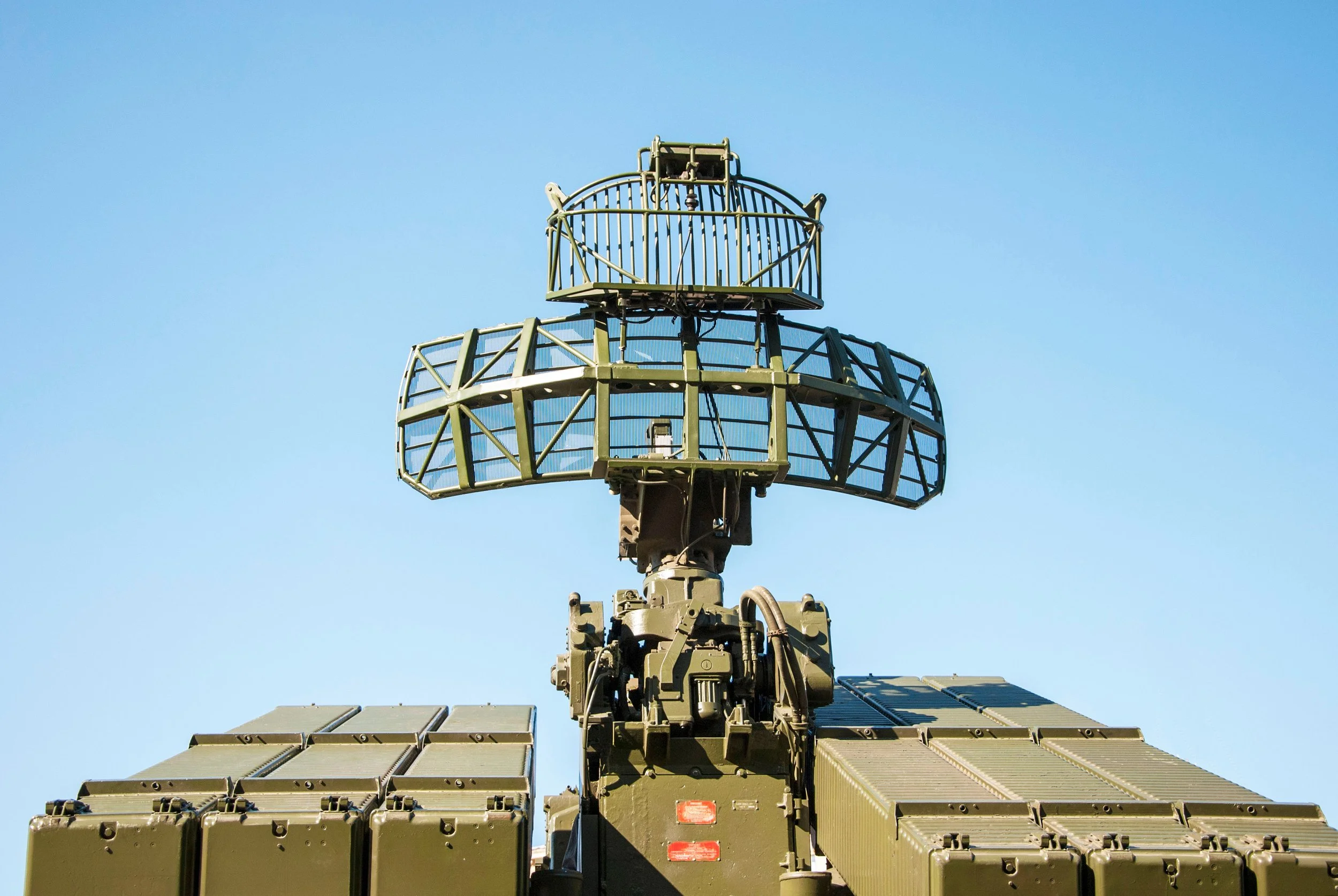
![radar unit against a blue sky]()
Mission Software, Apps and Digital Services
We develop and integrate mission software, applications and digital services that enable rapid capability delivery, adaptation and evolution across defence platforms and networks. This capability is focused on data-defined mission outcomes, rather than underlying platform or avionics integration, ensuring each solution delivers clear operational value.
Our work includes the design and delivery of mission applications, data services, middleware and software components that operate within protected defence environments. Solutions are engineered to consume, process and present mission data in a controlled and secure manner, supporting decision-making, planning and execution. Architectures are aligned to MoD digital strategy, PRISM and MOSA principles, enabling modular deployment, reuse and upgrade without disrupting existing systems.
We deliver full DDQ (Design, Develop and Qualification), covering requirements definition, software architecture, development, integration, test and operational acceptance. Engineering delivery aligns to UK Def Stan, NATO STANAGs, IEC standards and applicable information assurance and cyber requirements, with strong emphasis on interoperability and through-life support.
This approach allows defence customers to introduce new mission capabilities at pace, exploit data more effectively and transition from hardware-led upgrades to agile, software-enabled, data driven mission enhancement with reduced risk and cost.
-
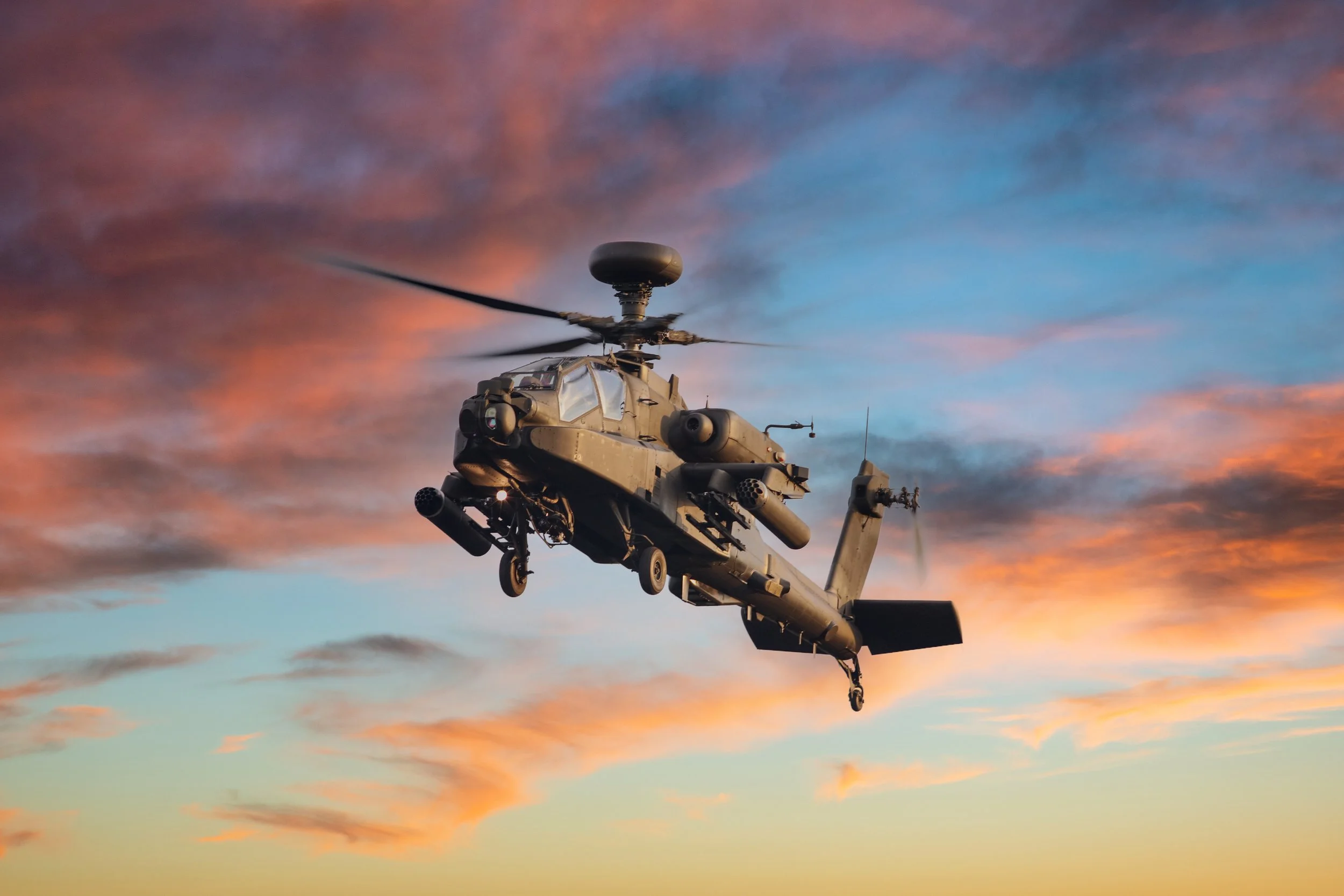
![Military helicopter against a dramatic sky]()
Mission Assurance, Test and Qualification
We provide mission assurance, test and qualification services that give defence customers confidence that complex mission systems will perform as intended in operational and coalition environments. Our focus is on assuring interoperability, resilience, safety and compliance across integrated mission architectures, rather than testing components in isolation.
Our work spans mission-level verification and validation, integration testing, interoperability testing and operational acceptance. We support the definition and execution of test strategies that reflect real operational use, including multi-platform, multi-domain and coalition scenarios. Particular emphasis is placed on assuring mission data flows, Tactical Data Link performance, protected communications and system behaviour under degraded or contested conditions.
We deliver full DDQ (Design, Develop and Qualification) activities aligned to NATO STANAGs, UK Def Stan and relevant mission assurance and information assurance frameworks. For air programmes, we align to UK CAA and Military Aviation Authority (MAA) expectations, ensuring evidence is suitable for airworthiness and authority acceptance where required.
This disciplined assurance approach reduces programme risk, accelerates acceptance and provides primes and authorities with confidence that mission systems are interoperable, compliant and ready for operational deployment across UK and allied defence environments.
Excellence in Training
-
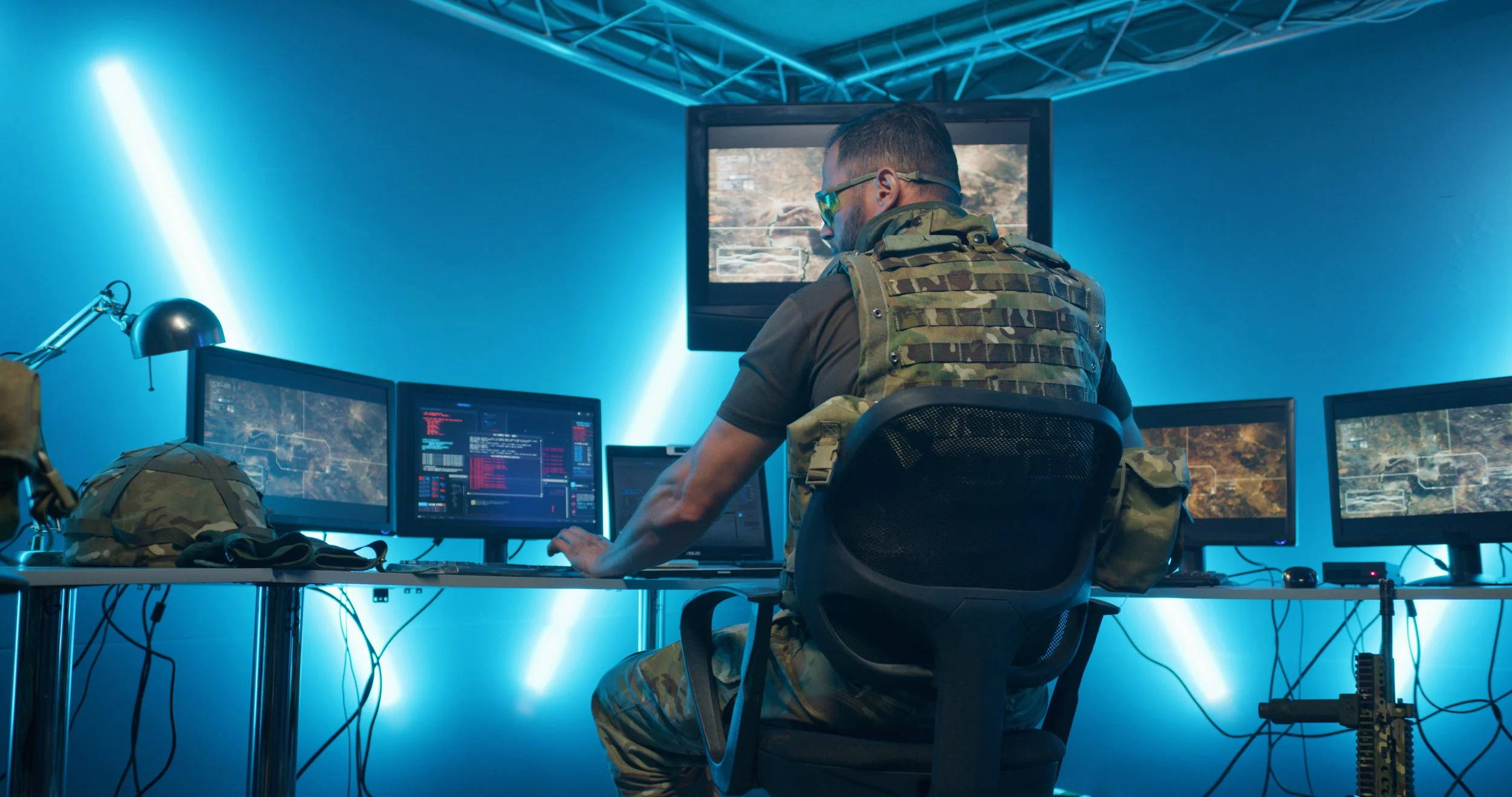
![A man in military camouflage attire sitting at a desk with multiple computer screens, monitoring a video game or simulation, in a high-tech room with blue lighting.]()
Developed by Experts
We have over 30 years' experience in both UK and international marketplaces, providing training services to government organisations as well as commercial and industrial clients.Our training courses are developed through direct involvement in the specification, development, procurement, and maintenance of Tactical Data Link (TDL) systems.
-
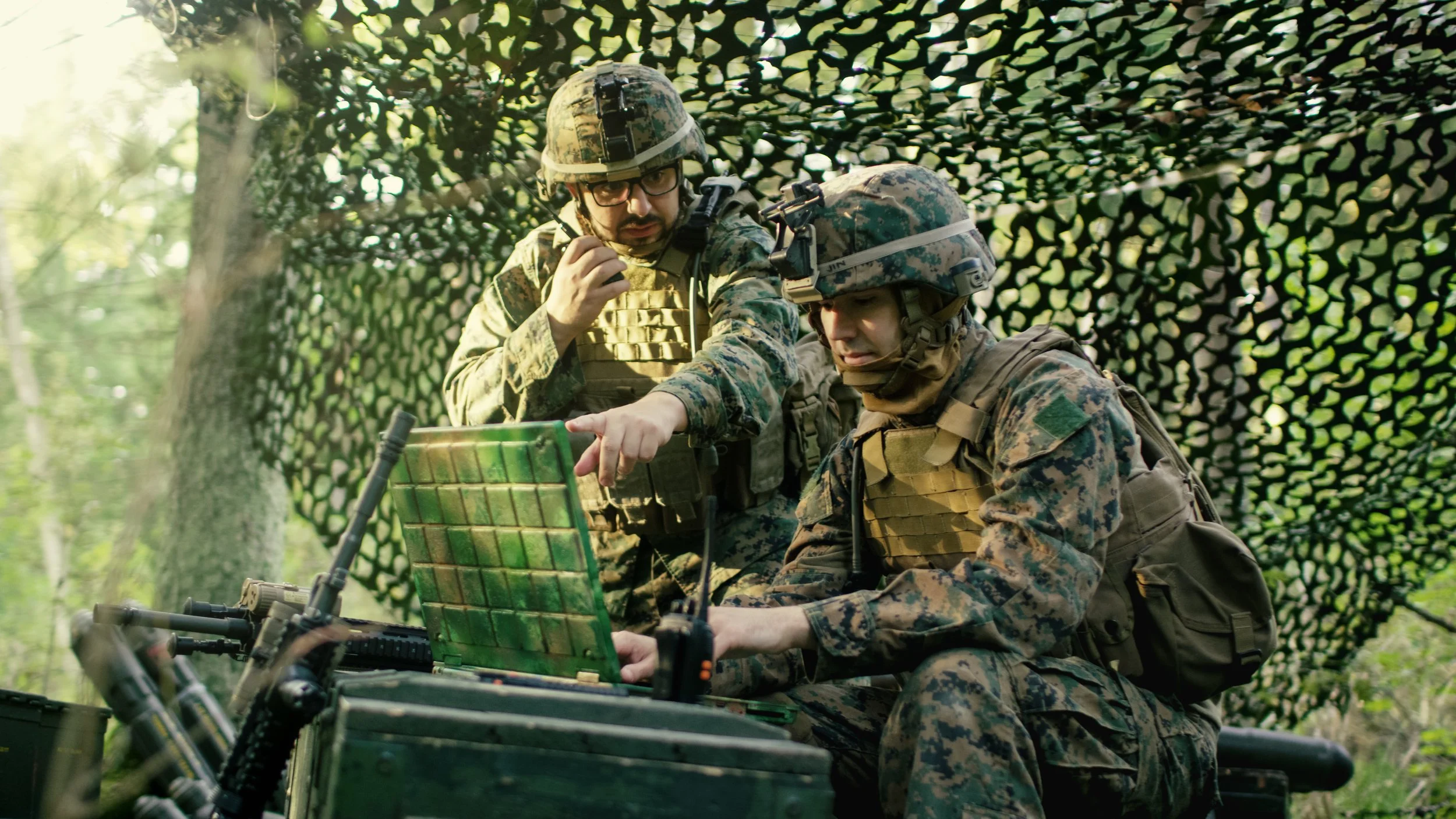
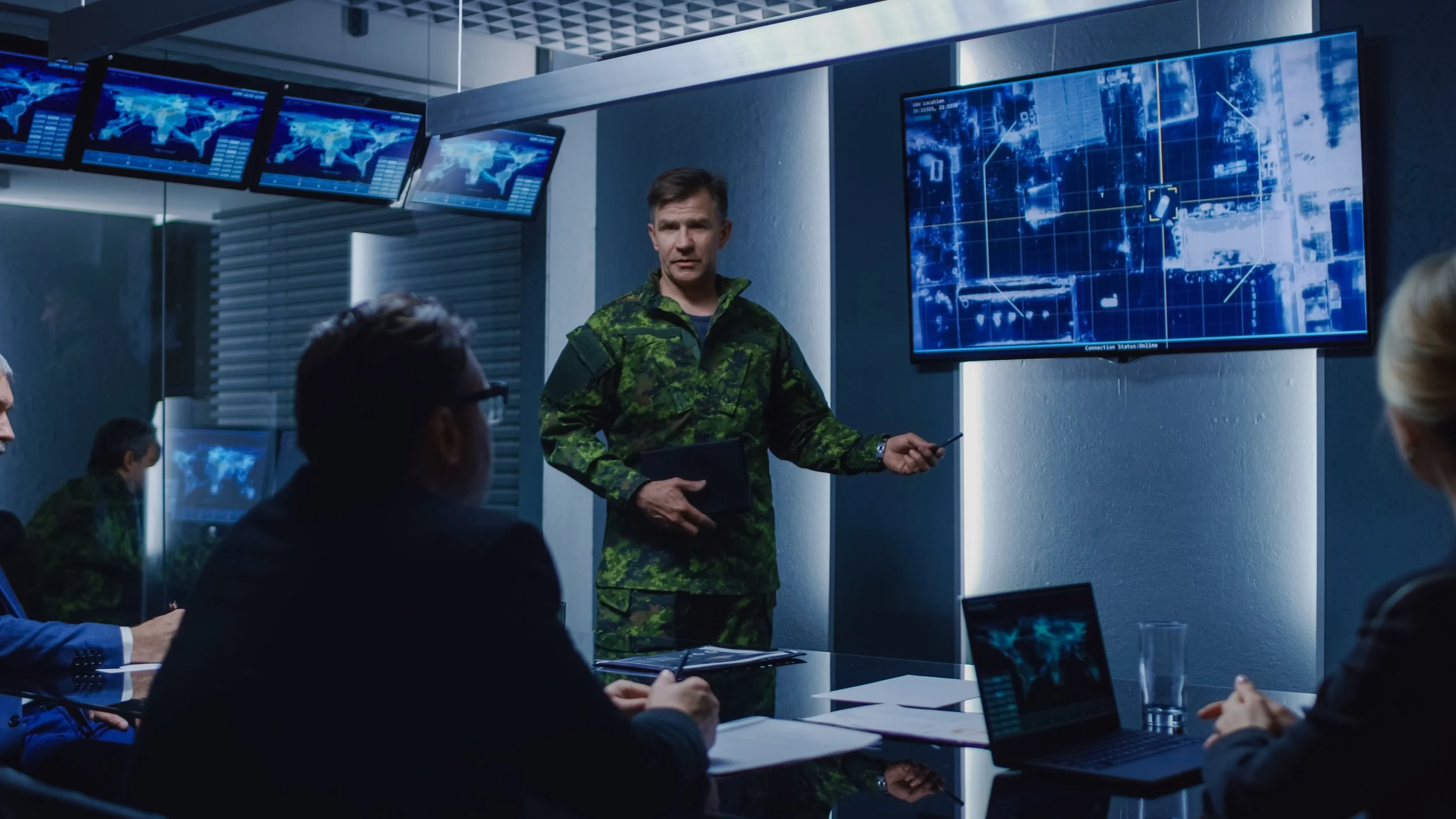
![Two soldiers on a battlefield analysing data and managing communications using a mobile phone and a laptop.]()
Expert Training Staff
Training is delivered by professional tutors who are experts in their fields, both operationally and technically, and fully trained as instructors. Our tutors have hands-on experience in TDL operations across Bosnia/Kosovo, the Gulf, Libya, and Afghanistan, and have participated in major NATO exercises such as Red Flag, Flying Fish, Clean Hunter, and Joint Warrior.
-
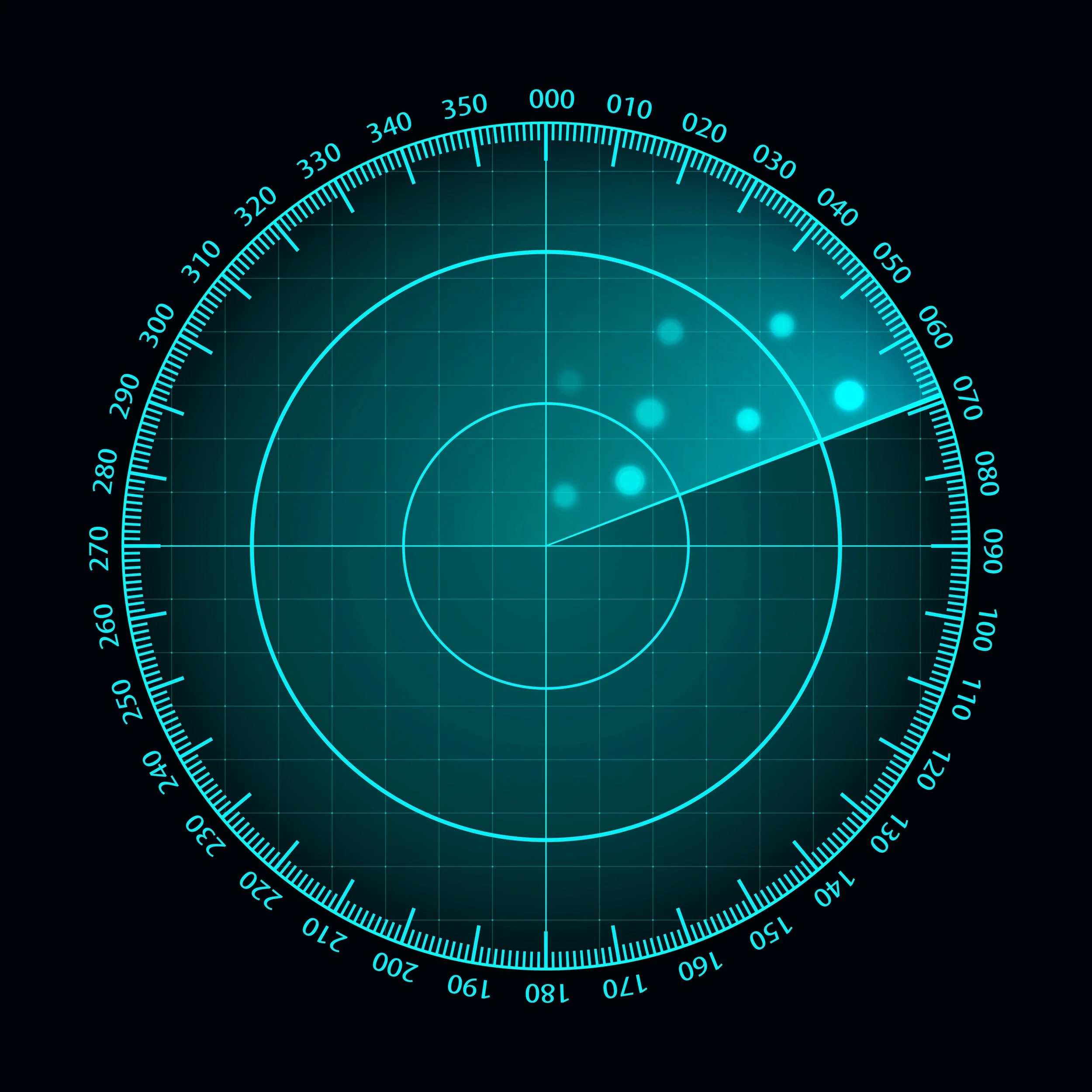
![A digital radar screen with bright blue dots representing detected objects or targets, over a black background.]()
Value for Money
Our flexible training plans ensure you receive the best possible training at the most competitive price. We can even run our training at your own premises, saving time and money.
-
![A person in military camouflage gear working at a computer workstation with multiple monitors in a high-tech operations room with blue lighting.]()
Unrivalled Access to Training Tools
We offer simulations and real tools to enhance the TDL learning experience.
-
![Close-up of a finger touching a transparent digital interface with icons for user manual, information, settings, and chat, over a blurred background.]()
Training Manuals
We are the only TDL training provider to offer comprehensive manuals for our courses.
-
![Certification labels indicating the company meets ISO 9001 standards for quality management and UKAS management system accreditation.]()
ISO 9001 Accreditation
Our ISO 9001 certification ensures that rigorous Quality Assurance processes are applied.
-
![A large satellite dish antenna pointing upward against a clear blue sky with sunlight and lens flare.]()
Customer Satisfaction, Cost & Time Savings
We don’t make empty promises and offer a no-quibble, money-back guarantee, on all our training courses if not fully satisfied.
Training can be delivered at a location of your choosing, saving unnecessary travel expenses.
-
![A futuristic blue radar screen with a grid pattern and several tracked objects.]()
Free Training Needs Assessment
Let us help you identify the exact training you require. Email: training@synthesys.co.uk

2026 Training Calendar

Encompass
The Encompass Group, led by Delkia is a collaborative consortium of innovative companies delivering high-quality engineering, digital, and technical services to the marine and defence sectors.
The group brings together the expertise, capabilities, and experience of nine specialist companies to provide end-to-end solutions that are responsive, agile, and customer-focused.
Case Studies
-
![Grey Vanguard sub partially submerged]()
Application of Digital Engineering
Project Overview
Delkia’s Project Bumblebee aimed to develop a dynamic vehicle control system for submarines, ships, aircraft, and other complex platforms. Our objective was to create a system capable of determining proper control inputs (e.g., thrust, fin actuation) based on desired outcomes – effectively solving an inversion problem in control modelling. Computational Fluid Dynamics (CFD) simulations, though detailed, are expensive and time‑intensive, making high‑fidelity simulation impractical for real‑time or scalable solution development. To address this …
-
![Close up military plane]()
Tactical Data Link Integration Support
Project Overview
Delkia provides long‑term expert support to the A400M Project Team in implementing the Multifunctional Information Distribution System (MIDS).
The A400M is a critical element of the UK's air mobility fleet, supporting diverse missions from humanitarian aid to strategic troop deployment. In 2023, the A400M conducted 20 sorties over 12 days, evacuating 1,685 personnel from Sudan – underscoring its strategic value and …
-
![2 Technicians working on sceens inside an aircraft]()
TDL Implementation for Sweden's ASC 890 Aircraft
Project Overview
Client: Swedish Defence Materiel Administration
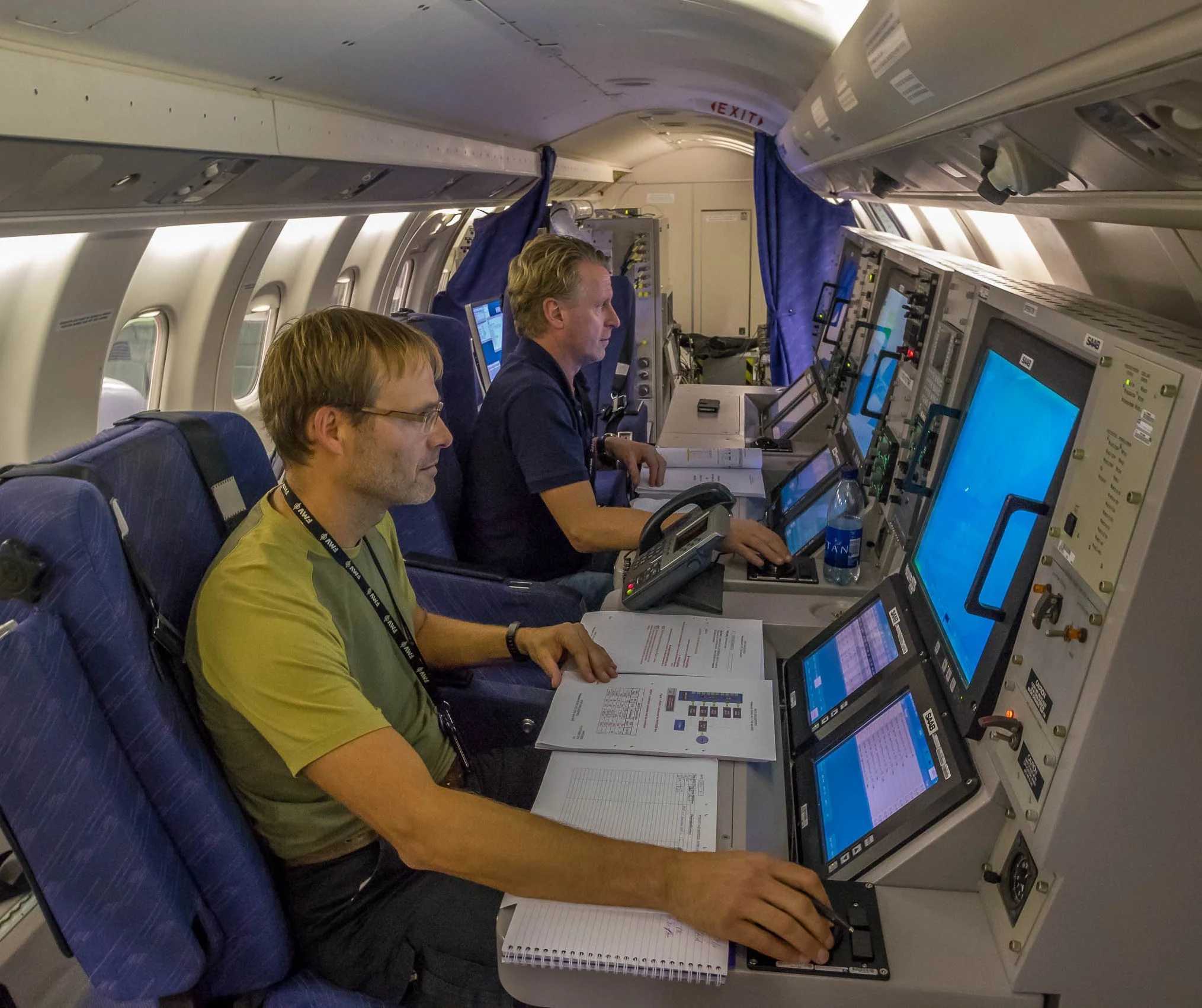
Platform: Saab 340‑based ASC 890 Airborne Surveillance and Control (ASC) aircraft.The ASC 890 Airborne Early Warning & Control (AEW&C) platform is a vital part of Sweden's airspace surveillance and tactical command capabilities. Since 2013, Delkia has provided support to the Swedish Defence Materiel Administration in the implementation of Link 16 and Tactical Data Link (TDL) interoperability for the ASC 890.
-
![Artwork showing silhouette of radar equipment against sunset]()
Multi-Link Test Facility Upgrade & Support
Project Overview
Client: UK Ministry of Defence
End Customers: Royal Air Force and Royal NavyDelkia was contracted to deliver and operate the UK Ministry of Defence’s Multi‑Link Test Facility (MLTF), a critical asset for validating Tactical Data Link (TDL) interoperability. Supporting the Royal Air Force, Royal Navy, and North Atlantic Treaty Organisation (NATO) partners, the MLTF ensures platform compliance with UK and NATO standards.
-
![Grey warship at sea, with helicopter flying at back]()
Coalition Interoperability - Maritime Theatre
Project Overview
Clients: UK Ministry of Defence, Royal Navy, BAE Systems, and Maritime Theatre Missile Defence Forum (MTMD) participants.Delkia has been integral to the UK’s contribution to allied Integrated Air and Missile Defence (IAMD), supporting two key flagship initiatives: the NATO Formidable Shield exercise series (FS17–FS25) and the Hardware‑in‑the‑Loop (HWIL) Coalition Distributed Engineering Plant (CDEP) test events. Both efforts validate coalition naval platform interoperability through live-fire exercises and simulation.
-
![Two technicians, male and female, looking at computer in a moody blue office]()
Defence Communications Training
Project Overview
Clients: NATO members, UK Ministry of Defence programmes, and international defence customers.Delkia delivers high‑quality Tactical Data Link (TDL) training, tailored for both newcomers and experienced professionals. Our programmes are led by subject matter experts with deep operational backgrounds and are underpinned by decades of NATO‑aligned experience.
Training Areas Covered ...